Practical Tips for Creating Engaging Live Events
Creating engaging live events requires thoughtful planning and execution. This article explores effective strategies that can help you successfully host events that resonate with your audience.
Understanding the Basics of Live Events
Live events, whether they feature board games, mafia nights, or live performances, need to create an immersive experience for attendees. According to industry experts, the key to successful events lies in engagement and interactivity. This works because engaging experiences often lead to higher satisfaction and return attendance.
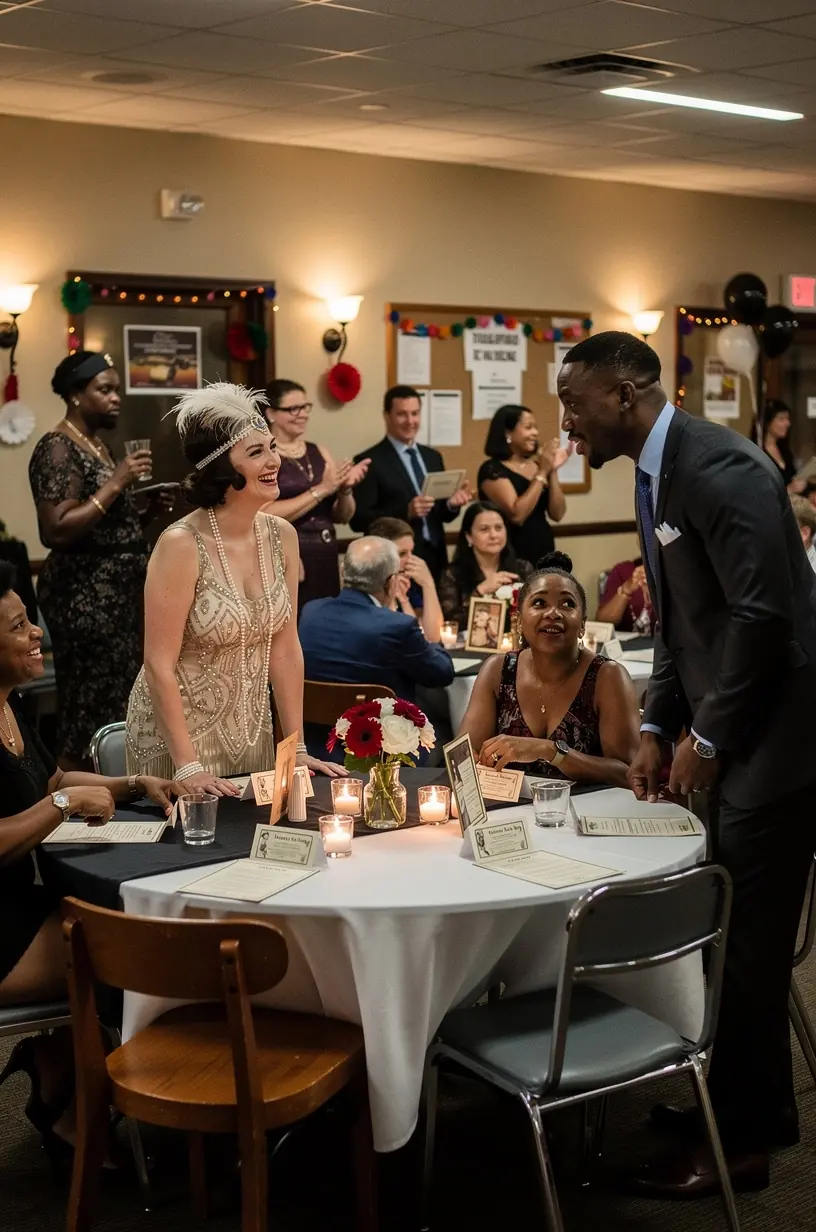
"A well-executed live event can foster community and offer participants memorable experiences that they will want to repeat."
Practical Application: Tips for Success
- Know Your Audience: Research suggests that understanding your target demographic can significantly influence event planning. Consider factors such as age, interests, and previous participation in similar events.
- Interactive Elements: Incorporating interactive components, such as audience participation games or Q&A sessions, can enhance engagement. Studies show that events with interactive features often experience a 20-30% increase in attendee satisfaction.
- Effective Marketing: Promoting your event through various channels, including social media and community boards, is essential. Many users report that events with comprehensive marketing reach 30-50% more potential attendees.
Logistics and Considerations
Planning live events involves several logistical considerations. It typically takes 2-4 weeks to organize all aspects, including venue selection, equipment rental, and staffing.
It’s also important to acknowledge that while engaging events can attract participants, they may not be effective if the target audience lacks prior knowledge or interest in the theme. Thus, tailoring the content and format to your audience's preferences is crucial.
Setting Clear Expectations
Ensure that all participants know what to expect from the event. This includes providing detailed information about the schedule, activities, and any necessary preparations. Transparency about what attendees will experience can lead to better engagement and satisfaction.
Conclusion
In summary, organizing engaging live events involves a commitment to understanding your audience, incorporating interactive elements, and clearly communicating expectations. By implementing these strategies, you can foster a welcoming environment that encourages participation and builds community. Remember, the success of your event may depend on how well you cater to your attendees' preferences and needs.