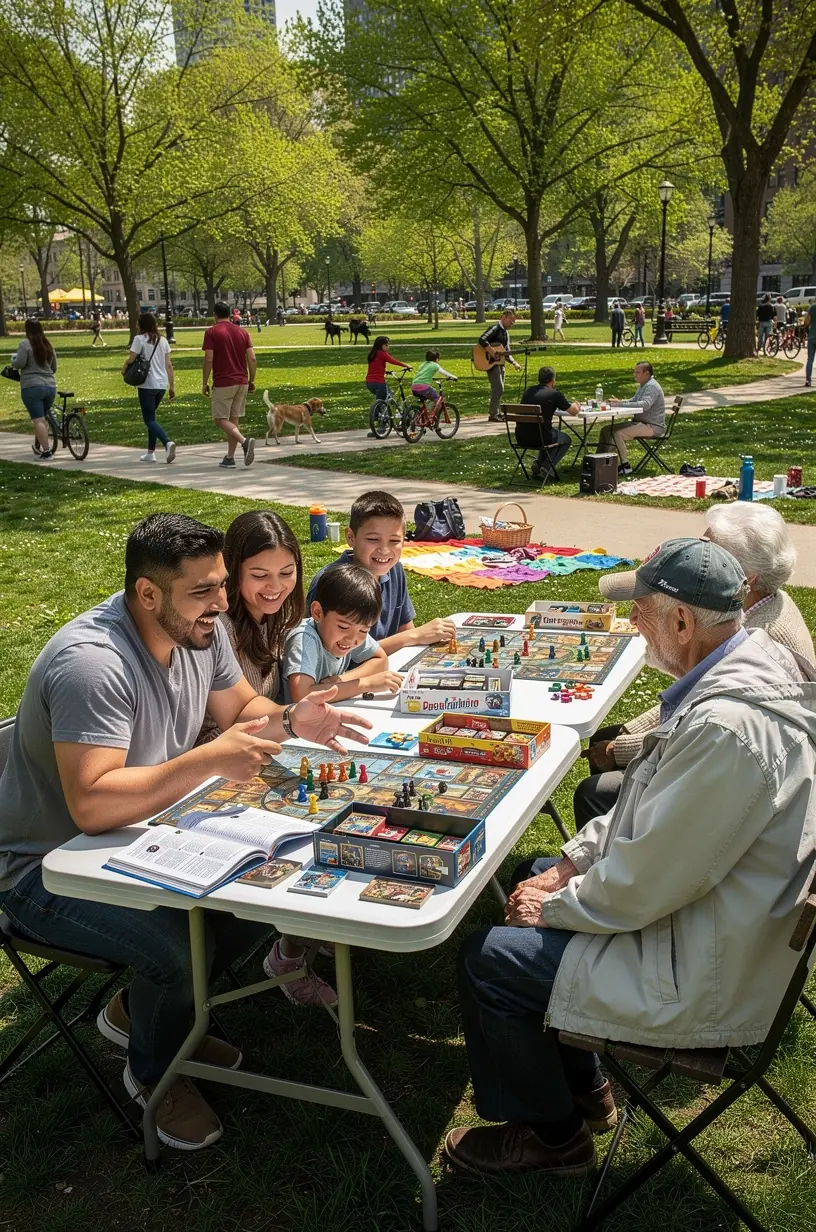
The Evolution of Mafia Games Over Time
Mafia games have been a community favorite for decades, blending strategy, deception, and social interaction. This article explores how these games have evolved, reflecting cultural shifts and player preferences over time.
Understanding the Basics of Mafia Games
The origins of Mafia can be traced back to the 1980s in Russia, where it was originally played as a party game. According to game historians, the game was designed to simulate a conflict between the "mafia" and the "townsfolk," leading to debates and discussions that engage players' social skills. Research shows that these types of games often enhance communication and critical thinking skills, making them popular in social gatherings.

"Mafia games not only entertain but also foster essential social skills, such as persuasion and teamwork." – Game Theory Expert
The Evolution Through the Years
Over the years, Mafia games have undergone significant changes, influenced by technology and cultural trends. Initially played with paper and voice, the advent of online platforms has transformed how players engage. Here are some noteworthy changes:
- Digital Transformation: With the rise of online gaming platforms, many players now participate in virtual Mafia games. This shift has made the game accessible to a wider audience, particularly during the pandemic.
- Variations and Spin-offs: New iterations of the game, like "Werewolf" and themed adaptations, have emerged, each adding unique rules and roles that appeal to different player demographics.
- Incorporation of Technology: Many Mafia games now integrate apps to facilitate gameplay, enabling features like timers and role assignments, which can streamline the process and enhance player experience.
Practical Application of Mafia Games
For those interested in hosting a Mafia night or joining a club, here are some practical insights:
- Setting Up the Game: Typically, it takes about 15-30 minutes to establish rules and roles before starting. It’s crucial to ensure that all participants understand the game mechanics, as this can significantly enhance engagement.
- Choosing the Right Group: Mafia games work best with larger groups, usually between 6-12 players. This allows for a dynamic interaction where deception and strategy can thrive.
- Creating an Inclusive Atmosphere: A key element of Mafia games is fostering an environment where all participants feel comfortable expressing their thoughts. This is often achieved through clear communication and encouragement from the game master.
Conclusion
The evolution of Mafia games reflects broader cultural trends and advancements in technology. By understanding how these games have transformed, players can appreciate the depth and complexity they bring to social gatherings. Whether through face-to-face interactions or digital platforms, Mafia games continue to engage and entertain, offering a reliable method for social interaction and critical thinking development. For those looking to experience this engaging game, remember that the journey of learning the rules and social dynamics can be just as rewarding as the game itself.
Learn More