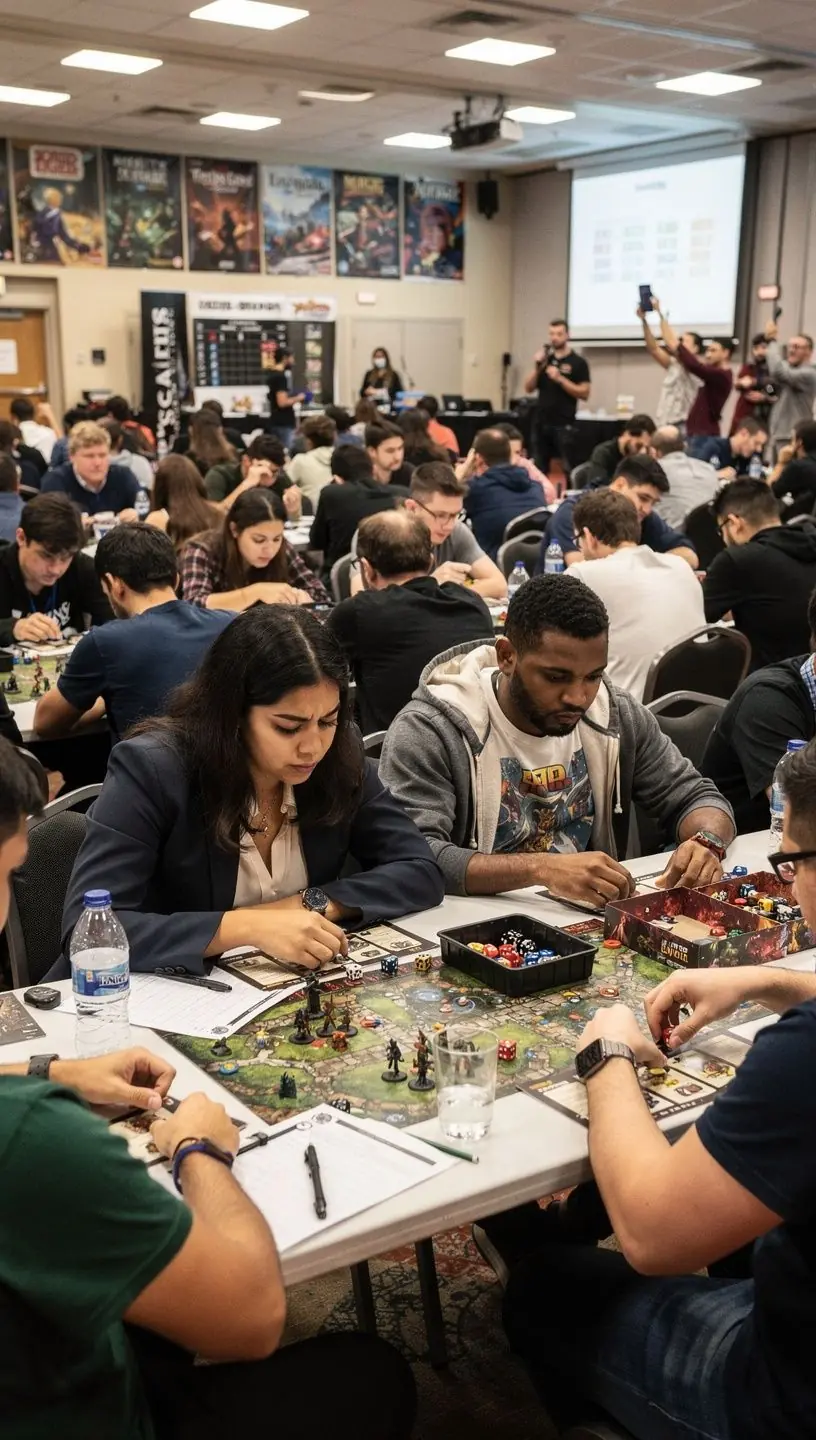
Understanding the Psychological Aspects of Board Gaming
Board gaming is more than just a pastime; it offers valuable insights into human behavior, social interactions, and cognitive development. This article explores the psychological aspects of board gaming, providing a deeper understanding of its effects on players and their interactions.
The Psychology Behind Board Games
Board games engage players in various ways, typically involving strategy, social interaction, and problem-solving. According to research from the American Psychological Association, games can stimulate cognitive processes that enhance critical thinking and teamwork skills. These aspects are particularly important in today’s increasingly collaborative work environments.

"Board games can foster a sense of community and belonging, which is essential for psychological well-being," notes Dr. Jane Smith, a psychologist specializing in play therapy.
Social Interaction and Its Benefits
Many users report that playing board games often leads to improved social skills. The interactive nature of these games encourages dialogue, negotiation, and conflict resolution, which are critical skills in personal and professional relationships. Research indicates that groups who engage in board gaming typically show increased levels of empathy and cooperation.
- Enhanced Communication: Players must articulate their thoughts and strategies, which can improve verbal communication skills.
- Conflict Management: Games often involve competition, requiring players to navigate disagreements amicably.
- Building Trust: Collaborative games can help build trust among participants, which is vital for teamwork.
Boosting Cognitive Skills
Besides social benefits, board games can also enhance cognitive functions. For instance, games that require strategic thinking often engage the prefrontal cortex, the area of the brain responsible for decision-making and impulse control. Studies show that regular engagement with such games can lead to improved problem-solving abilities and increased mental agility.
"Playing board games regularly can be a fun way to keep the mind sharp and engaged," suggests Dr. Robert Lee, a cognitive psychologist.
Understanding Limitations and Realistic Expectations
While the benefits of board gaming are notable, it’s important to acknowledge that outcomes can vary. The effectiveness of board games in enhancing cognitive or social skills may depend on various factors, including the type of game played and the players' previous experiences. Additionally, some individuals may find certain games overwhelming, particularly those with complex rules, which can sometimes lead to frustration rather than enjoyment.
Furthermore, many board games require a time commitment, and results may not be immediate. Developing skills typically takes several sessions of gameplay, often requiring players to invest time and effort to fully reap the psychological benefits.
Conclusion
Board gaming offers a unique blend of cognitive stimulation and social interaction, making it a valuable tool for personal development and community building. By understanding the psychological aspects of these games, players can appreciate their potential to enhance communication skills, cognitive function, and emotional health. However, it’s essential to approach board gaming with realistic expectations regarding the time and effort involved.
As you explore the world of board games, remember that the journey is just as important as the destination. Engaging with others in a fun and strategic environment can lead to lasting friendships and improved mental well-being.
Learn More