The Impact of Live Music on Community Events
Live music has long been a staple of community events across the United States. This article explores how live performances can enhance community engagement, foster social connections, and contribute to the overall vibrancy of local cultures.
Understanding the Benefits of Live Music
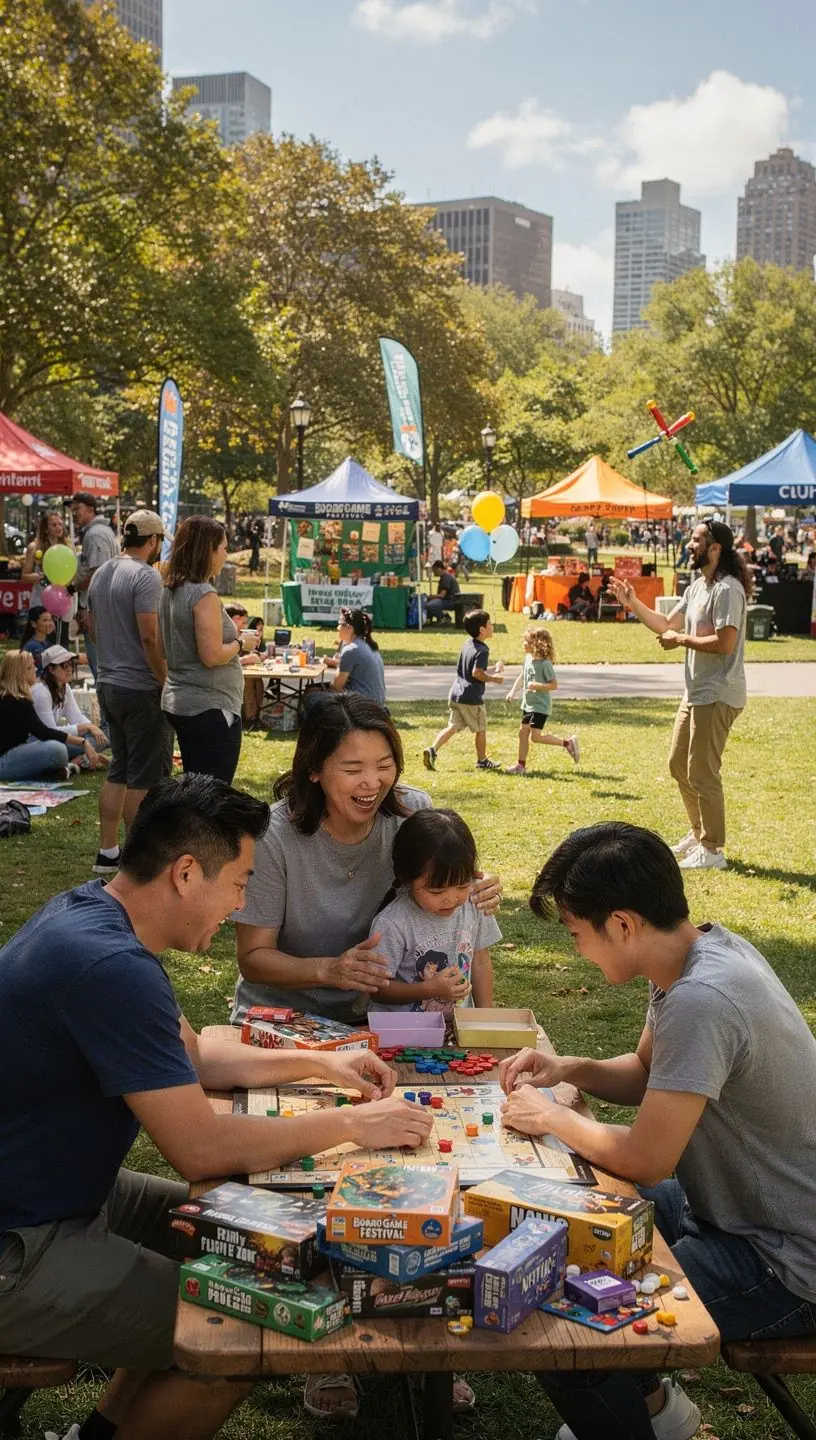
According to studies from the National Endowment for the Arts, live music performances can significantly boost community engagement. When people gather for concerts or music festivals, they often share a common experience, which can foster a sense of belonging and social cohesion.
"Live music can create lasting memories and enhance community identity, according to industry experts."
How Live Music Fosters Connections
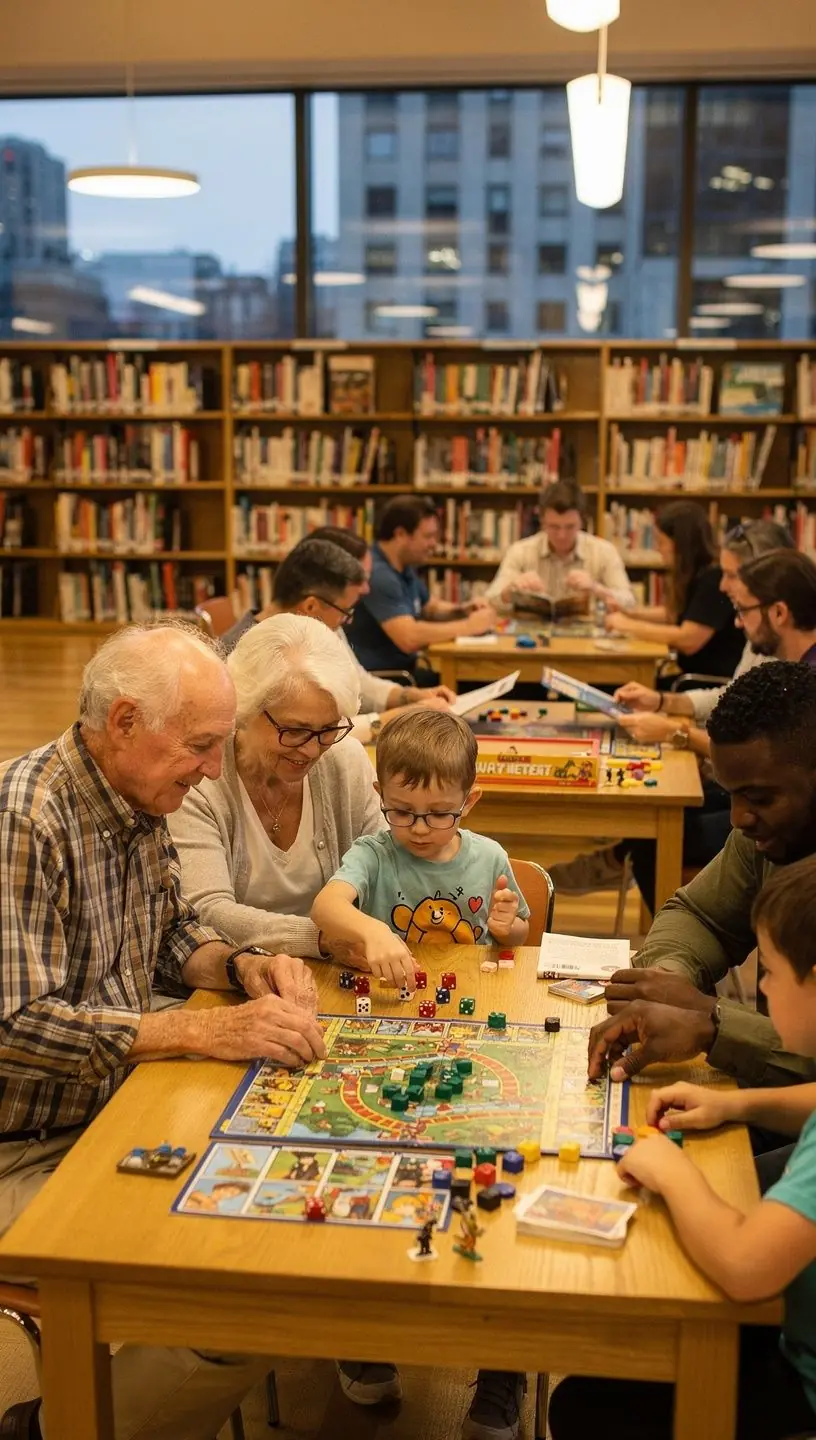
Research indicates that live music events can promote social interactions among attendees. Many users report feeling more connected to their community and to each other after participating in these events. This is largely because:
- Shared Experiences: Attendees often bond over shared experiences, enhancing their sense of community.
- Networking Opportunities: These events can serve as platforms for networking, allowing individuals to meet others who share similar interests.
- Support for Local Artists: Many community events feature local musicians, which helps build a supportive local culture.
Overcoming Challenges
While the benefits of live music are clear, organizing these events comes with its challenges. Event planners typically need to consider:
- Logistical Planning: Organizing sound equipment, permits, and venue arrangements often requires significant time and effort.
- Budget Constraints: Funding for live performances can vary, and securing sponsorships or ticket sales is often necessary to cover costs.
- Audience Engagement: It can take time to build an audience, especially for new events; thus, consistent marketing and promotion are crucial for success.
Implementing Live Music in Community Events
For communities looking to incorporate live music into their events, the following steps are recommended:
- Assess Community Interest: Survey community members to determine their preferences and interests regarding music genres and types of events.
- Collaborate with Local Musicians: Engaging local talent not only supports artists but also attracts their fan base to the events.
- Plan Inclusive Programs: Ensure that events cater to varying demographics to maximize participation—consider family-friendly activities and diverse music styles.
- Evaluate and Adapt: After each event, gather feedback to understand what worked and what can be improved for future gatherings.
Conclusion
In summary, live music plays a vital role in enhancing community events, promoting social connections, and supporting local culture. While organizing such events can pose challenges, the potential benefits in terms of community engagement and satisfaction are significant. By taking a structured approach and considering the insights outlined above, communities can create memorable live music experiences that resonate with their residents.