Strategies for Effective Team Communication in Games
Effective communication is crucial in any team-based game, whether it’s a board game night, a mafia session, or a live performance. This article explores proven strategies for enhancing team communication, drawing on expert recommendations and research findings.
Understanding the Importance of Communication
In team-based games, clear communication often influences performance significantly. Studies show that teams with effective communication structures can increase their chances of winning by approximately 20-30% compared to those that lack such approaches. This works because communication fosters collaboration, ensures everyone is on the same page, and allows for quick decision-making.
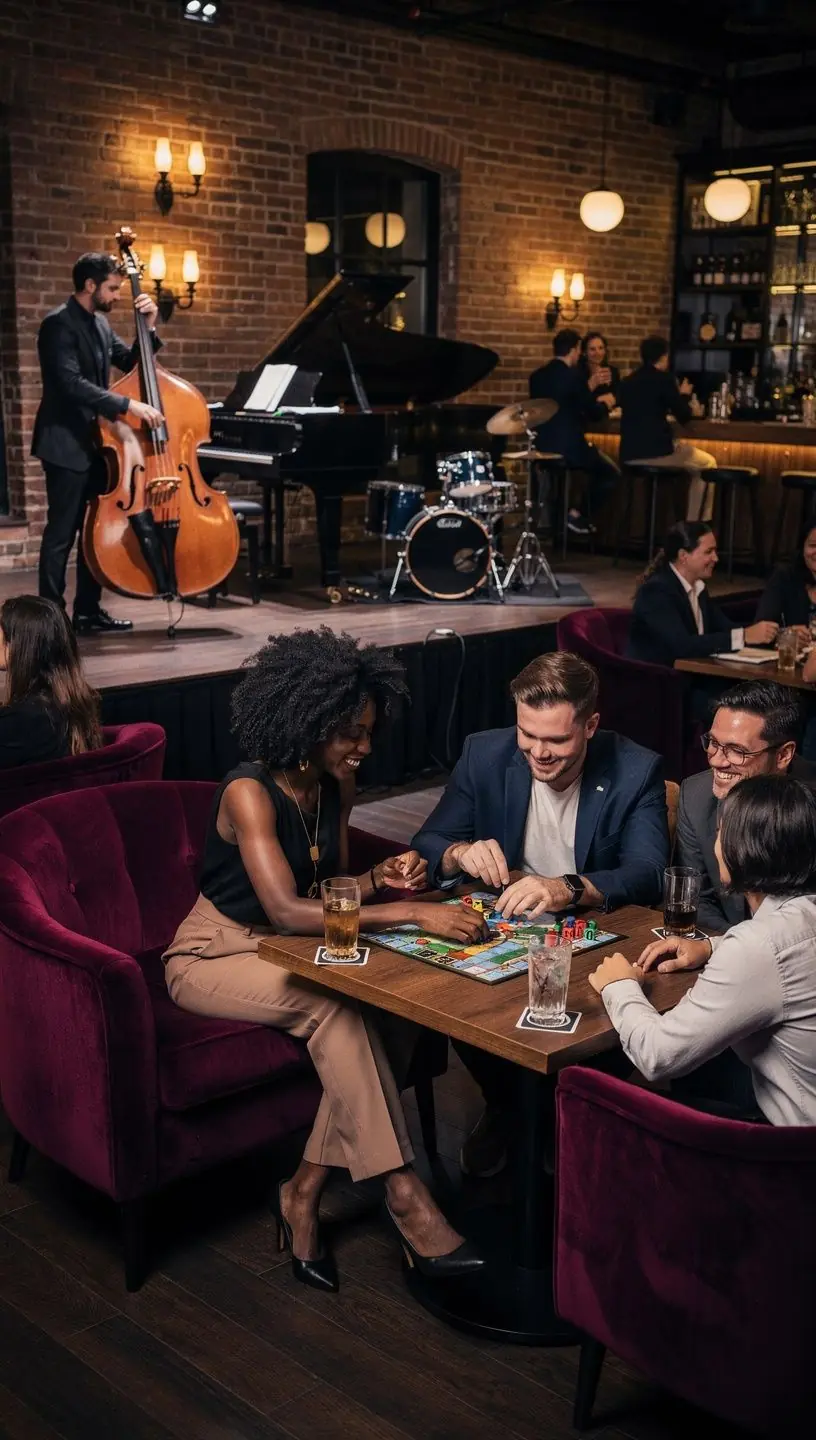
"Effective team communication is not just a skill; it's a vital strategy for success in any collaborative environment." - Team Dynamics Expert
Key Communication Strategies
- Establish Clear Roles: Before starting a game, define each team member's role. This clarification helps reduce confusion and ensures everyone knows their responsibilities. In many cases, clearly defined roles can lead to more organized gameplay.
- Use Visual Aids: Incorporating visual elements, such as whiteboards or charts, can enhance understanding and retention of information during gameplay. Research indicates that visual aids can improve comprehension by up to 40% in collaborative settings.
- Encourage Open Dialogue: Create an environment where team members feel comfortable sharing ideas and voicing concerns. This atmosphere promotes trust and leads to more constructive discussions, which is essential for effective strategy development.
Practical Application in Different Game Settings
Different game formats may require varying approaches to communication. For example:
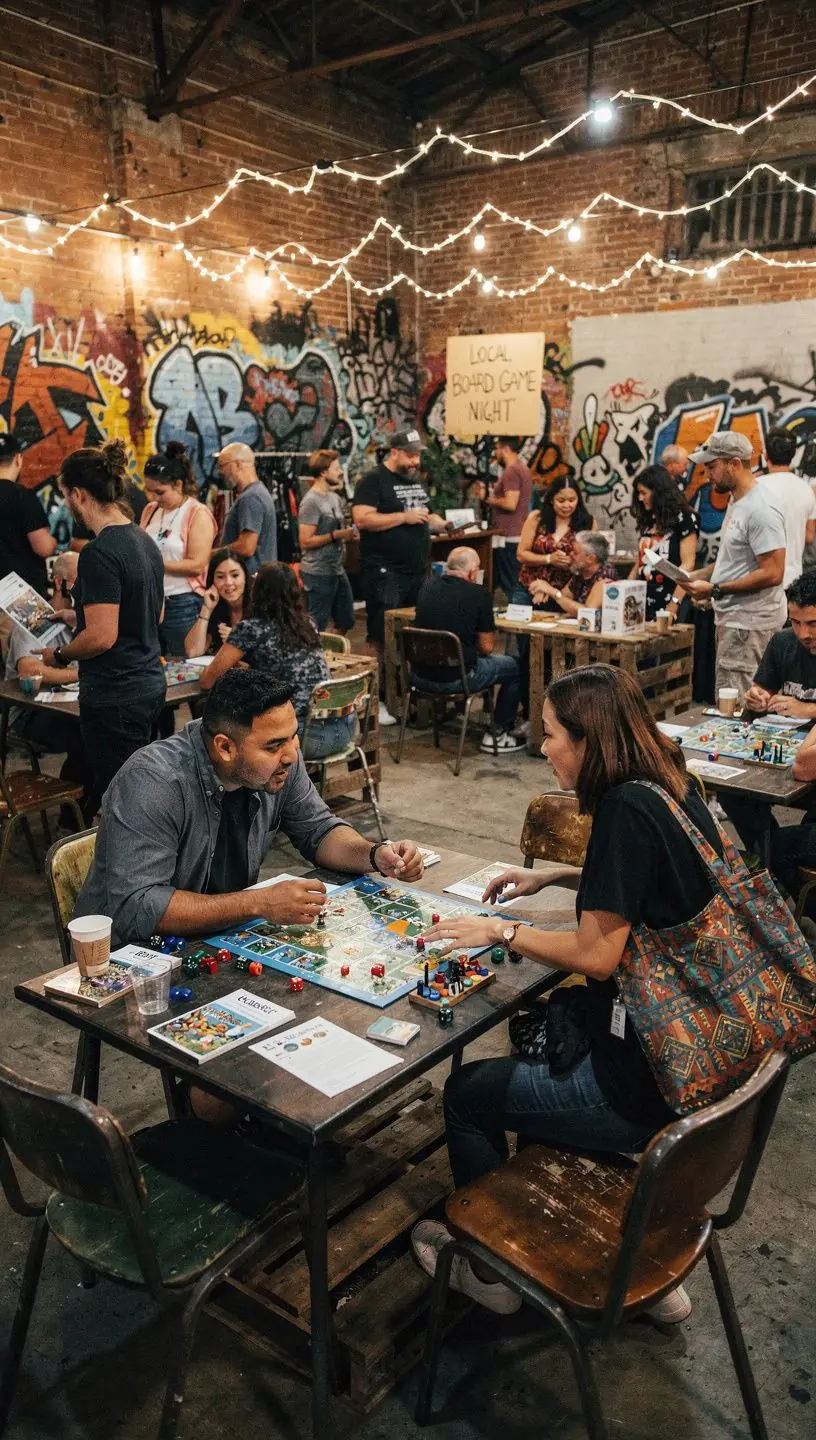
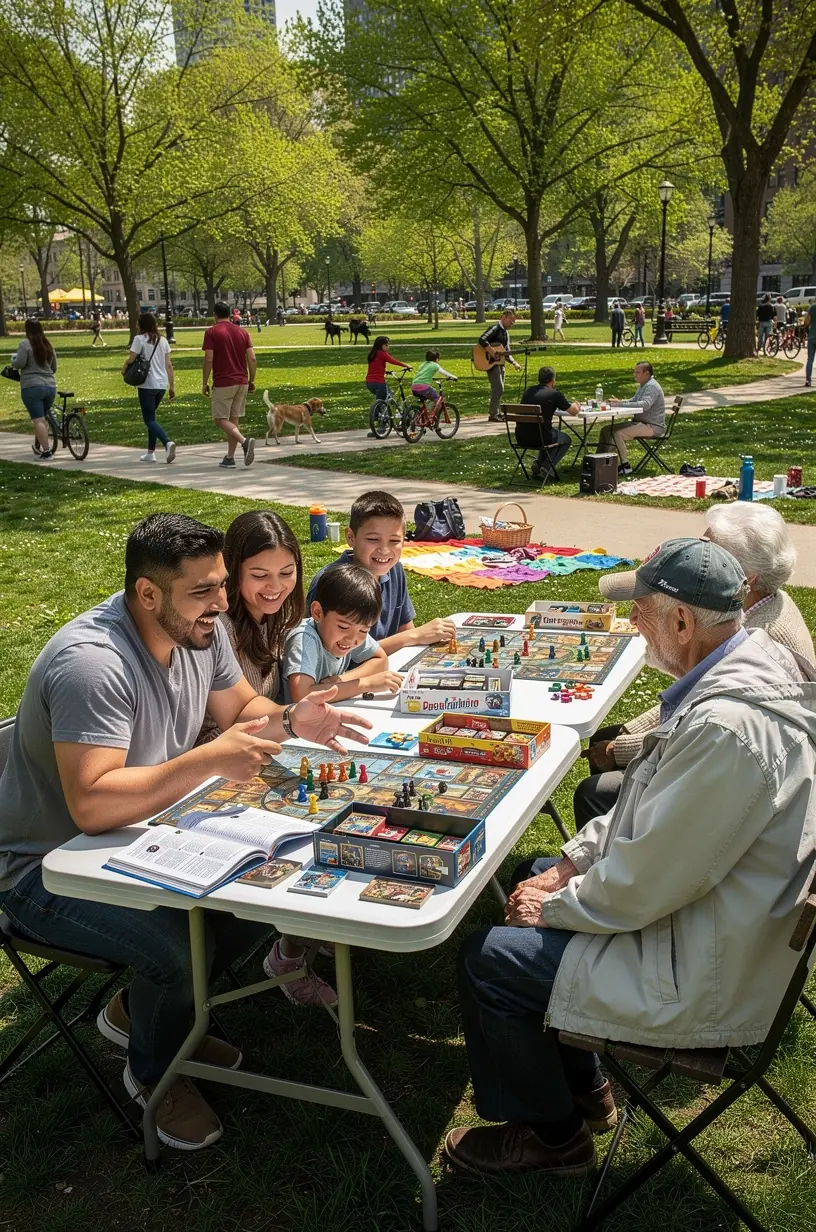
- Board Games: Utilize turn-based discussions where players can voice strategies during their turn, allowing for reflection and planning.
- Mafia Nights: Implement structured discussion phases where players can share their thoughts on suspicions and observations, promoting a deeper understanding of group dynamics.
- Live Performances: Foster immediate feedback loops among team members during rehearsals, which can significantly improve coordination and timing.
Acknowledging Limitations
While these strategies can enhance communication, it’s important to acknowledge that they typically require commitment and practice. Implementing these strategies may take time, and team members should be patient with one another as they develop more effective communication habits. In many cases, results start to show within a few sessions, but establishing a solid foundation can typically take a few weeks of consistent effort.
Conclusion
Enhancing team communication in games is a journey that involves ongoing practice and adaptation. By establishing clear roles, utilizing visual aids, and fostering an open dialogue, teams can improve their collaborative efforts. Remember, while these strategies may not produce immediate results, they contribute to a more engaging and effective gameplay experience. Prioritizing communication can lead to not only better game outcomes but also stronger team dynamics in all collaborative endeavors.
Learn More