How to Build a Local Board Game Community
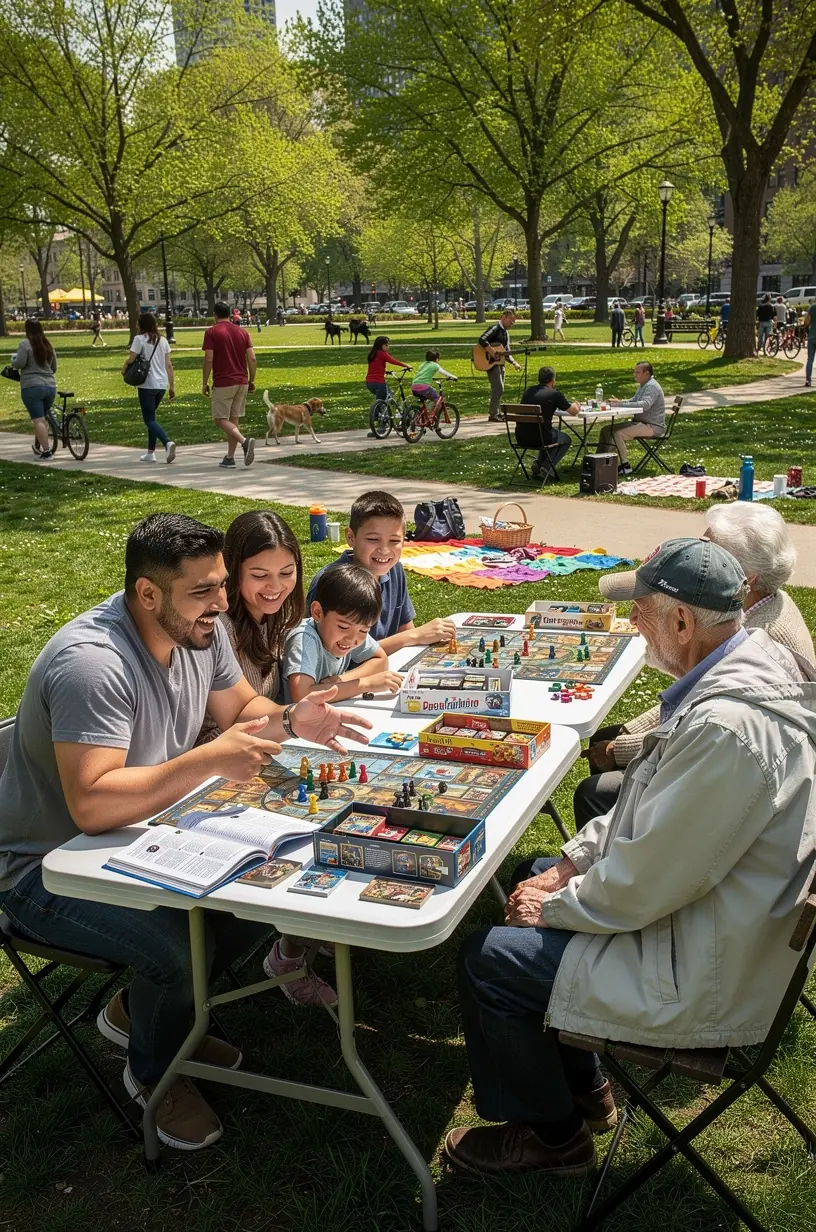
Creating a thriving board game community can be a rewarding endeavor that fosters social connections and enhances enjoyment of the hobby. In this article, we’ll explore actionable and evidence-based strategies to help you build a local board game community effectively.
Understanding the Basics of Community Building
Building a community typically involves bringing together individuals with shared interests. Research shows that communities centered around hobbies like board gaming can enhance social interaction, reduce stress, and promote cognitive skills. According to a study by the American Psychological Association, engaging in social activities can lead to improved mental health outcomes.
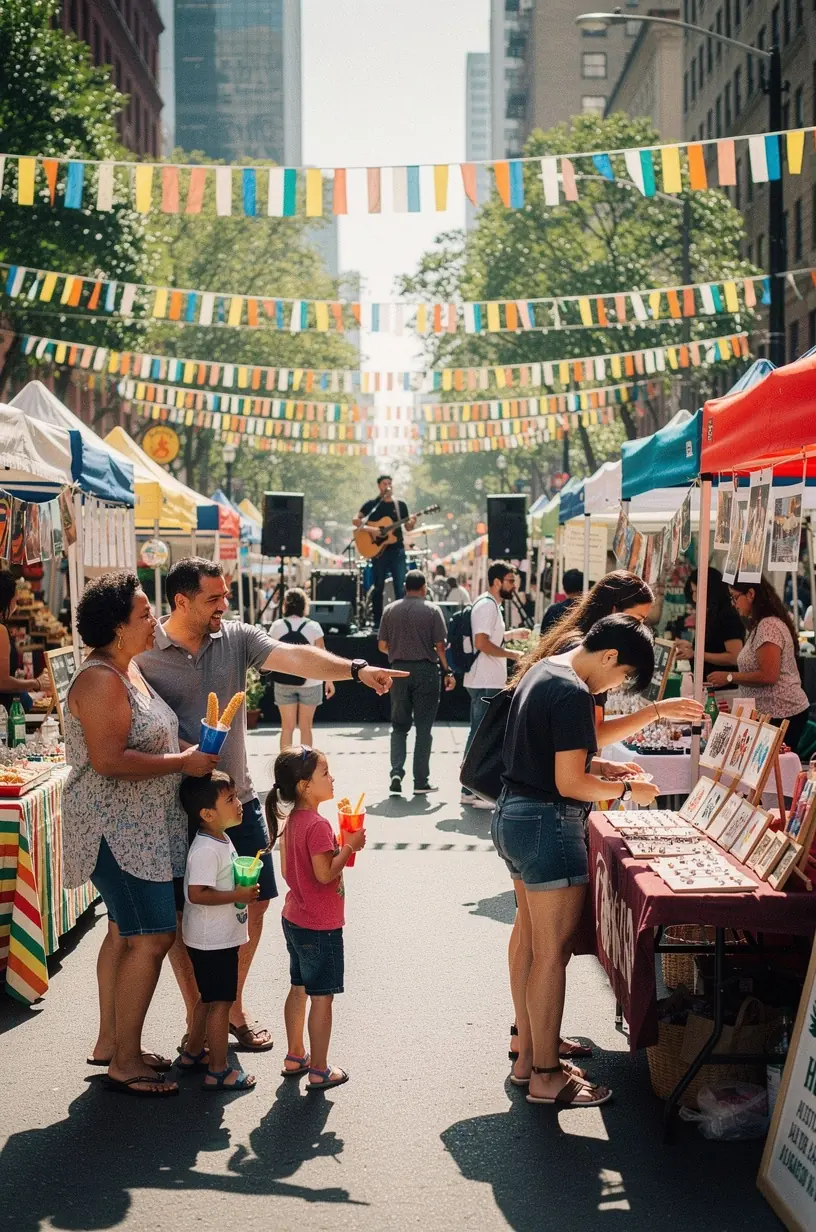
"Communities form when individuals connect deeply over shared interests, creating lasting bonds and friendships." - Community Building Expert
Steps to Build Your Community
Here are practical steps to consider when starting your board game community:
- Choose a Location: Finding a suitable venue is essential. Community centers, cafes, or libraries often make great gathering spots that are accessible and welcoming.
- Host Regular Events: Organizing regular meetups, such as weekly game nights or monthly tournaments, can help establish a routine. Experts recommend starting with a frequency of once a week to attract consistent attendance.
- Utilize Online Platforms: Many users report that using social media groups or platforms like Meetup can significantly increase visibility. Creating an online presence can keep your community informed and engaged.
Engagement Strategies
Once you've established a foundation, consider these engagement strategies:
- Welcome Newcomers: Foster an inclusive environment where new members feel welcome. Simple gestures, such as introducing new players to existing members, can help ease their entry.
- Vary Game Choices: Offering a range of games can attract diverse players. Polling the community on preferred games can guide your selection and ensure there's something for everyone.
- Encourage Feedback: Regularly solicit feedback from members to improve the experience. This can involve simple surveys or informal discussions during events, which can help you understand what works and what doesn’t.
Challenges to Anticipate
It’s important to acknowledge that building a board game community requires dedication and time. Typically, it takes several months to establish a solid group and build relationships. You may face challenges such as low attendance initially or differing interests among members.
Conclusion
Building a local board game community can be a fulfilling journey that enriches the social landscape of your area. By following the outlined strategies and being adaptable to your members' needs, you can foster a supportive and engaging environment. Remember, patience and consistency are key, as it can take time to see the fruits of your efforts. With commitment, your community can thrive, providing a space for friendship, fun, and shared experiences.